

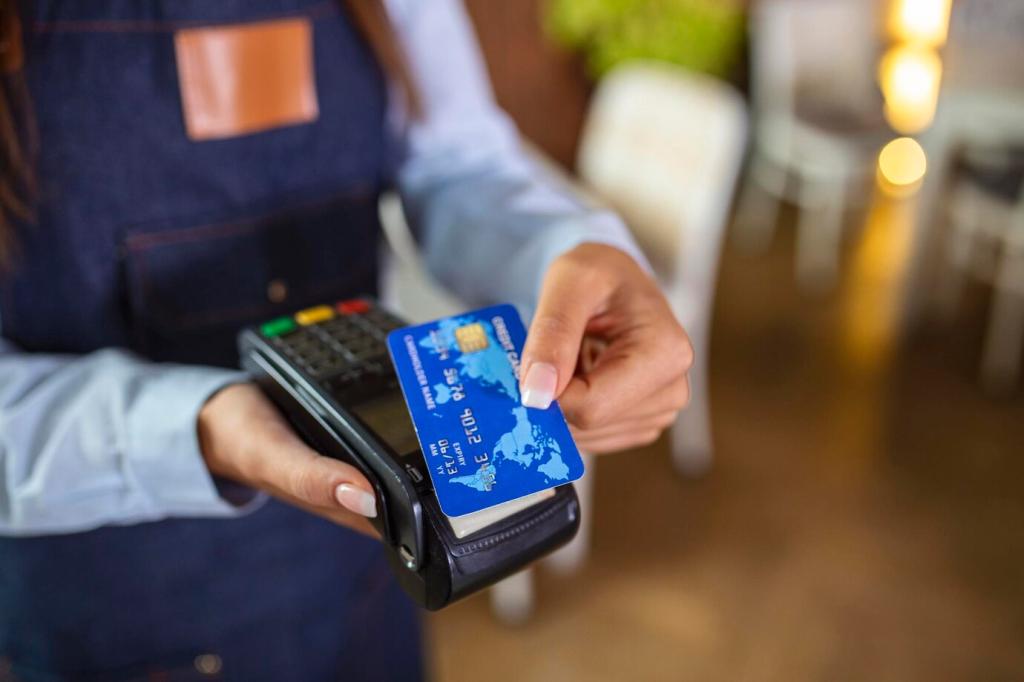

Understanding Digital Wallets: A Beginner’s Guide

Chosen theme: Understanding Digital Wallets: A Beginner’s Guide. Start your journey with a welcoming, plain‑English walkthrough of what digital wallets are, how they work, and why they matter. Join the conversation, ask questions, and subscribe to stay updated with fresh, friendly guidance.

What a Digital Wallet Actually Is

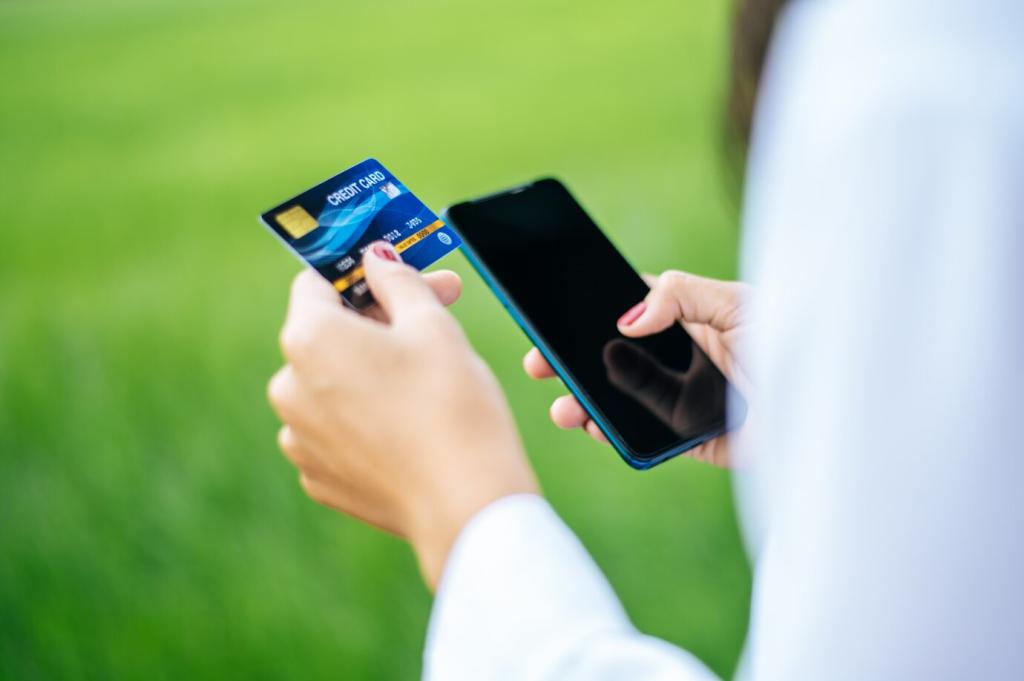
A digital wallet is a secure app or device that stores payment methods and digital assets, allowing you to pay online, in stores, or between people. Think of it like a pocket wallet, but smarter, safer, and built for the internet age.

Safety First: Security Basics That Truly Matter

Strong wallets protect access with biometrics, PINs, and device locks, while encryption shields sensitive details. Many also use tokenization so merchants never see your real card number. These layered defenses significantly reduce fraud risks during both in‑person and online transactions.

Safety First: Security Basics That Truly Matter

In non‑custodial crypto wallets, private keys control your assets. A seed phrase is a human‑readable backup of that key. Write it down offline, store it securely, and never share it. Anyone with your seed can move funds, and no support team can undo it.

Setting Up Your First Digital Wallet

Decide what you want to do: tap‑to‑pay in stores, manage cards, or hold crypto. Check platform compatibility, fees, recovery options, and reputation. Read recent reviews, explore transparency on security practices, and confirm the wallet supports your region and preferred payment networks.

Setting Up Your First Digital Wallet

Enable device locks, set a unique PIN, and turn on biometric authentication. For crypto wallets, immediately write your seed phrase on paper, store it in two safe places, and consider a fireproof bag. Never screenshot it, email it, or paste it into cloud notes.

Everyday Use: Paying, Receiving, and Splitting

01
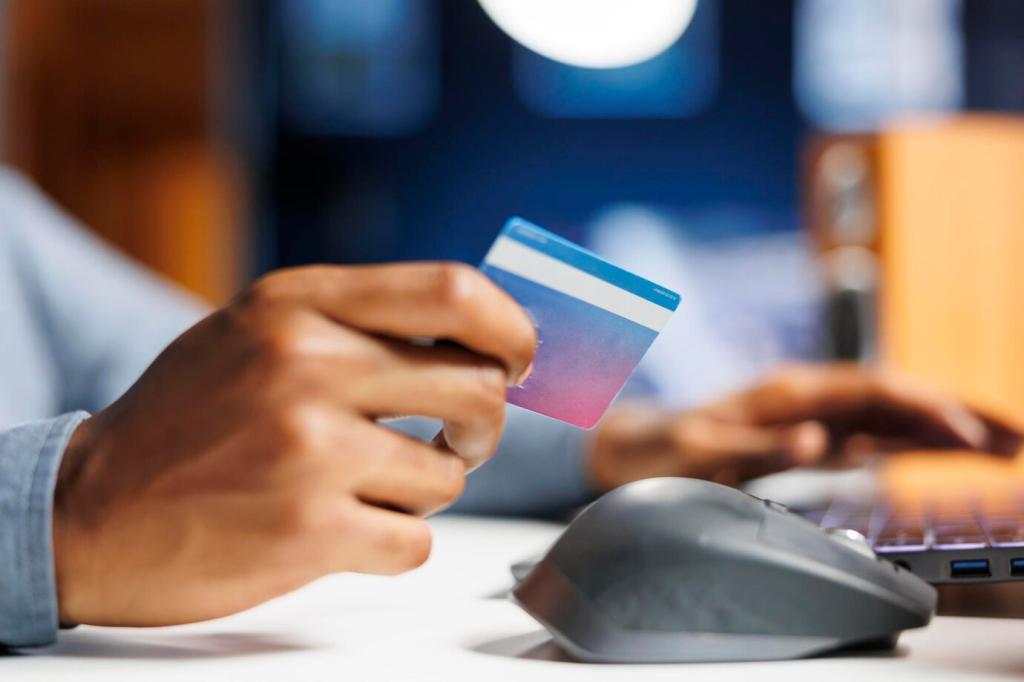
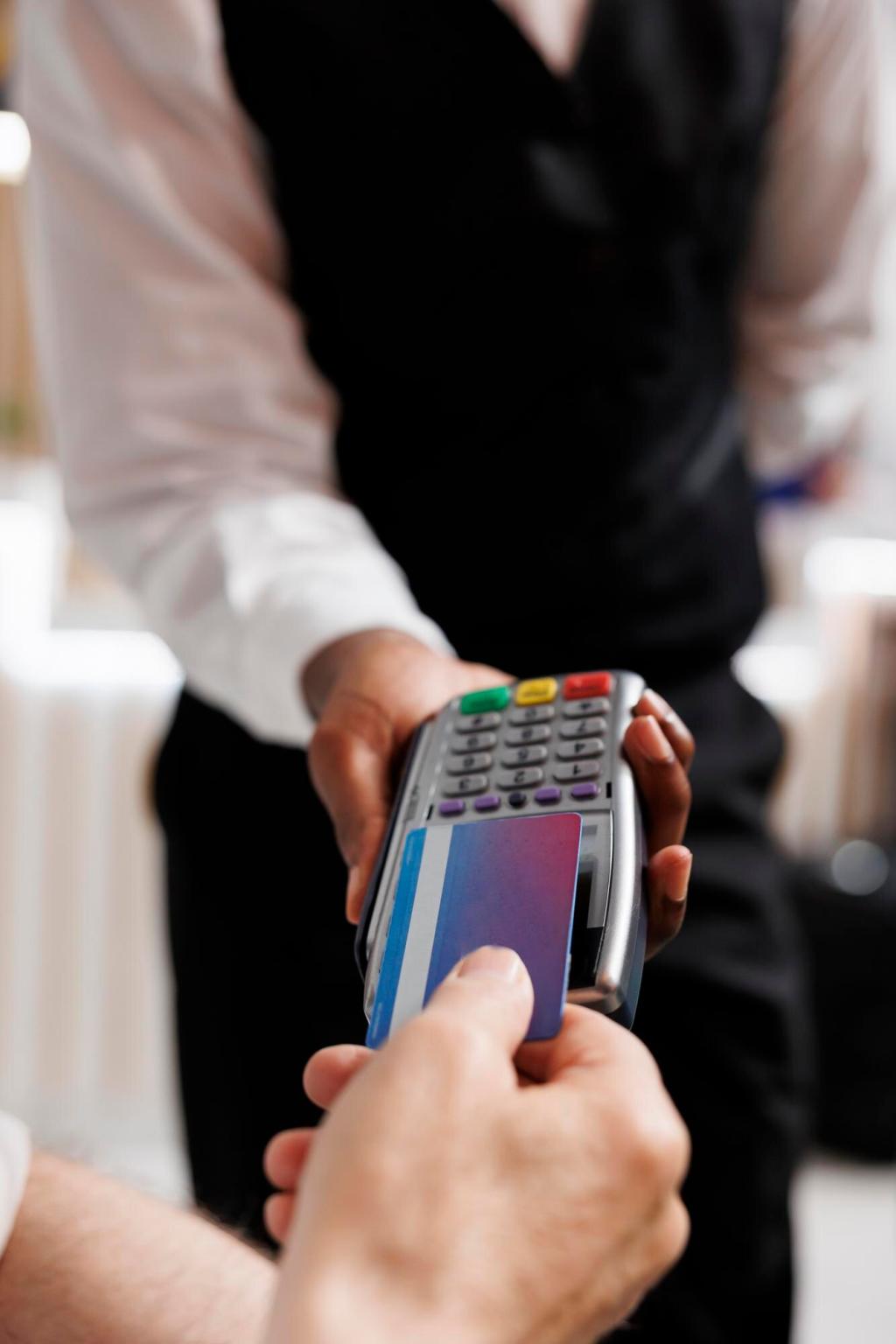
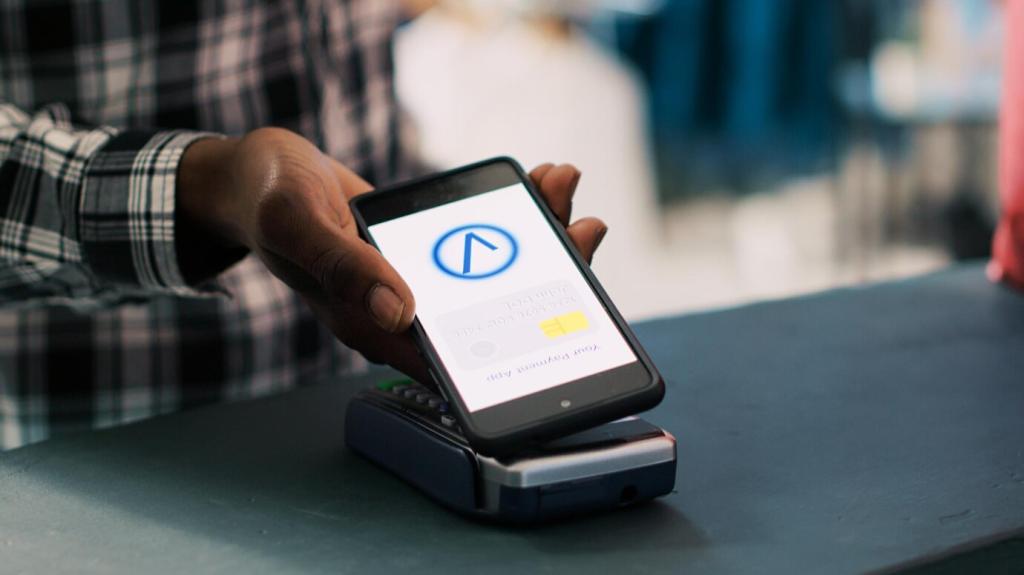
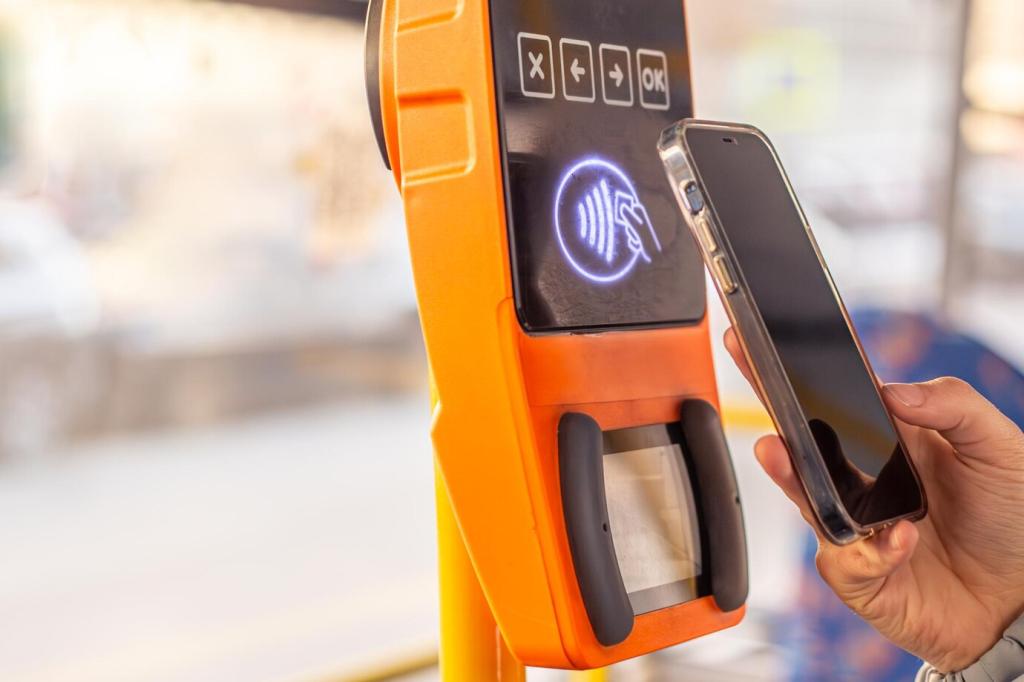
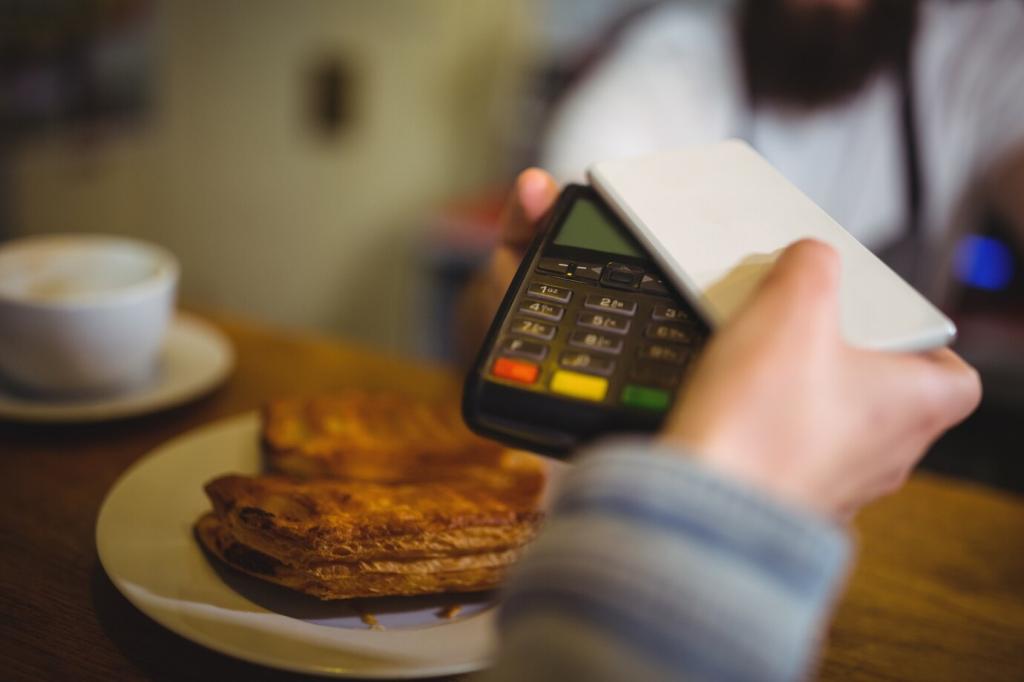
With tap‑to‑pay or QR codes, checkout takes seconds. Online, wallet autofill reduces typing and errors, while tokenization protects your card. Many merchants now support digital wallets natively, meaning fewer abandoned carts and more secure purchases. Tell us your smoothest wallet checkout story.
02
Whether splitting dinner or rent, P2P transfers are fast and transparent. You can add notes, attach receipts, and keep track of who paid what. Agree on the app in advance, confirm usernames carefully, and consider request features to reduce mistakes between similar profiles.
03
Download offline passes, carry a backup card, and verify international acceptance. For crypto, check local regulations and typical network fees. Save support contacts and export emergency recovery details securely. Share your best travel tip for using wallets abroad to help fellow readers.

Fees, Networks, and Interoperability

Card Fees vs Blockchain Fees

Card payments hide fees inside merchant rates, while crypto transactions show network fees directly. Fees vary with congestion, transaction size, and chosen network. Learning when traffic is lower can save money. Comment with your favorite time‑saving or fee‑reducing strategy.

Networks and Asset Support Differences

Some wallets support multiple blockchains, stablecoins, and layer‑two networks, while others focus on simplicity. Always check supported assets, deposit addresses, and withdrawal networks before moving funds. A mismatch can cause delays, confusion, or loss. When unsure, send a tiny test first.

Interoperability and Bridges in Plain Terms

Bridges connect assets across networks but add complexity and risk. Use reputable options, verify URLs, and understand that wrapped assets depend on custodians or protocols. For beginners, stick to straightforward transfers until you gain confidence. Ask questions below, and we will clarify together.

This is the heading

Lorem ipsum dolor sit amet, consectetur adipiscing elit. Ut elit tellus, luctus nec ullamcorper mattis, pulvinar dapibus leo.
This is the heading

Lorem ipsum dolor sit amet, consectetur adipiscing elit. Ut elit tellus, luctus nec ullamcorper mattis, pulvinar dapibus leo.

What Comes Next: The Future of Digital Wallets

Digital wallets are evolving to store driver licenses, transit passes, event tickets, and verified credentials. This could streamline daily life while raising new privacy questions. Expect stronger standards and clearer consent controls. What credential would you most want to carry digitally first?

What Comes Next: The Future of Digital Wallets

Imagine wallets nudging you toward better choices, surfacing fee‑free windows, or auto‑applying rewards at checkout. Some already categorize spending and suggest goals. Used thoughtfully, these features offer calm control. Tell us which budgeting tool helped you most and why it clicked.
Peruenredestv
Privacy Overview

This website uses cookies so that we can provide you with the best user experience possible. Cookie information is stored in your browser and performs functions such as recognising you when you return to our website and helping our team to understand which sections of the website you find most interesting and useful.